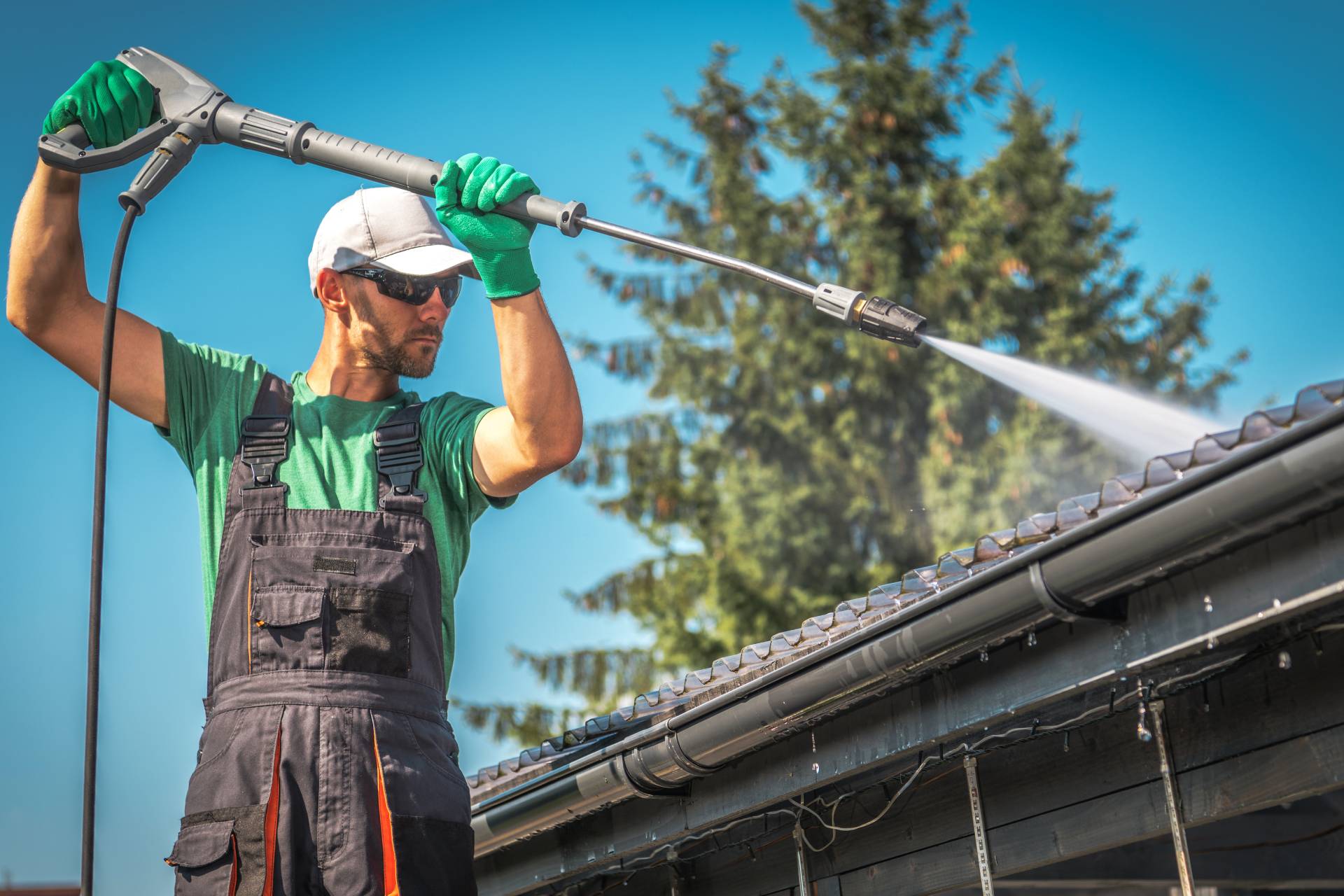
Many homeowners wonder whether roof cleaning is a smart investment or a risky gamble. Stories about damaged shingles, leaks, and shortened roof life often make people hesitant to schedule power washing for their roof. At the same time, dark streaks, moss, and algae buildup can make an otherwise well-kept home look neglected. Roof power washing can be safe, but only when it’s done correctly. Understanding how professionals approach roof cleaning helps keep separate effective, protective care from methods that can cause harm.
Why Homeowners Worry About Roof Damage
Concern about roof damage is completely valid. A roof is one of the most important and expensive components of any home, and mistakes can be costly. Many homeowners picture high-pressure water blasting away at shingles, stripping granules, loosening flashing, or forcing water beneath the surface. These fears often come from seeing or attempting DIY methods that rely on excessive force rather than proper technique.
Different roofing materials also raise different concerns. Asphalt shingles, tile, metal, and composite roofs all respond differently to water pressure and cleaning solutions. Without understanding those differences, it’s easy to unintentionally cause premature wear or compromise seals designed to protect the home from moisture.
Understanding Water Pressure and Material Wear
One of the biggest misconceptions is that all roof power washing involves extreme pressure. Professional roof cleaners rarely use the same pressure levels in driveway or siding cleaning. High pressure is what causes material wear, not the act of cleaning itself.
Professionals carefully control water pressure based on roof material, age, and condition. For many roofs, especially asphalt shingles, low-pressure or “soft wash” methods are used. This approach relies more on specialized cleaning solutions than force. Done properly, power washing removes dirt and grime without eroding protective surfaces or dislodging essential components.
The Techniques Professionals Use Differently
What truly sets professionals apart is training and method. Instead of relying on brute force, they combine experience, proper equipment, and chemistry. Professional cleaners inspect the roof before starting, identifying weak spots, aging materials, and areas where moss or algae are most aggressive.
They use cleaning solutions designed specifically for roof surfaces, formulated to break down organic growth like algae and moss at the root. This reduces the need for high pressure and ensures growth doesn’t return as quickly. Careful application methods protect shingles, flashing, vents, and seals while still delivering a thorough clean. The result is a roof that looks refreshed without being stressed.
DIY Methods vs Professional-Grade Equipment
DIY roof cleaning often involves rental equipment that isn’t designed for delicate roof surfaces. These machines typically deliver far more pressure than necessary and lack the precision controls professionals can rely on. Without experience, it’s easy to use the wrong nozzle, stand too close, or spray at an angle that forces water beneath shingles.
Professional-grade equipment offers adjustable pressure, specialized spray patterns, and tools designed specifically for roof applications. More importantly, professionals know how to use them safely. While homeowners often view roof cleaning as just another item on the weekend checklist, experts treat it as one of the several property maintenance tasks to boost your home’s appeal that require skill and care.
How Proper Roof Power Washing Protects Your Home
Beyond appearance, safe roof cleaning plays a key role in protecting the entire structure of your home. Algae and moss trap moisture, which accelerates shingle deterioration and can lead to rot beneath the surface. Over time, this moisture retention increases the risk of leaks and structural damage.
When done correctly, power washing extends your roof’s lifespan by removing harmful buildup before it causes long-term issues. Clean roofs shed water more effectively, maintain their protective properties, and reduce the likelihood of costly repairs. In that sense, professional roof cleaning isn’t only cosmetic; it’s also preventative maintenance that supports the health of the whole home.
So, is power washing safe? The answer depends entirely on how it’s done. Safety doesn’t come from force or aggressive pressure; it comes from expertise, proper techniques, and the right equipment. Trained professionals understand roofing materials, control water pressure, and use specialized solutions to clean effectively without causing damage. When handled correctly, roof power washing protects your investment, improves curb appeal, and helps your roof last longer. In the end, a clean roof isn’t about blasting away dirt. It’s about knowing exactly how to care for what protects your home.